
Monkeypod Wood Bongos

Monkeypod Wood Bongos

Volcano Percussion - Hawaiian Monkeypod Wood Bongos

Volcano Percussion - Hawaiian Monkeypod Wood Bongos

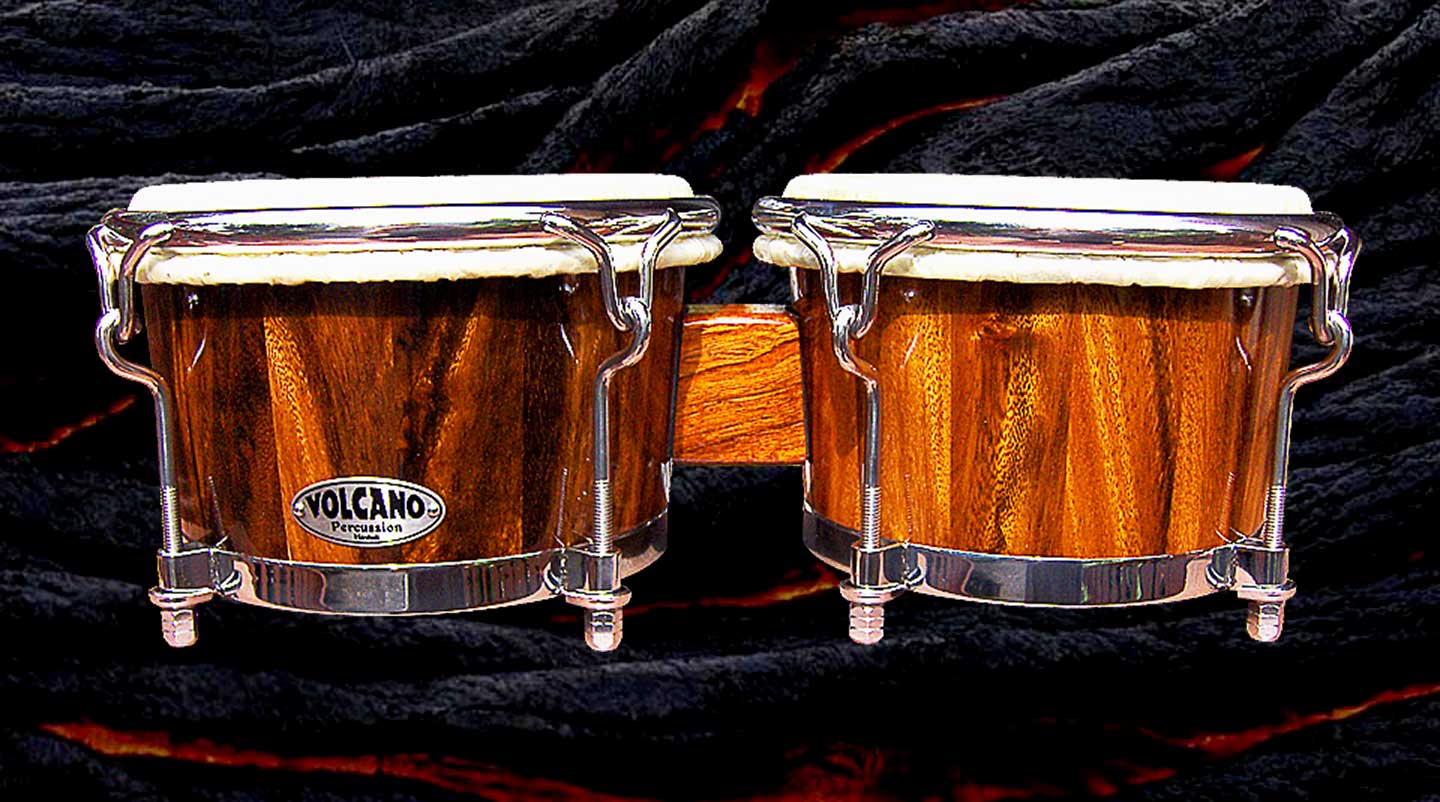
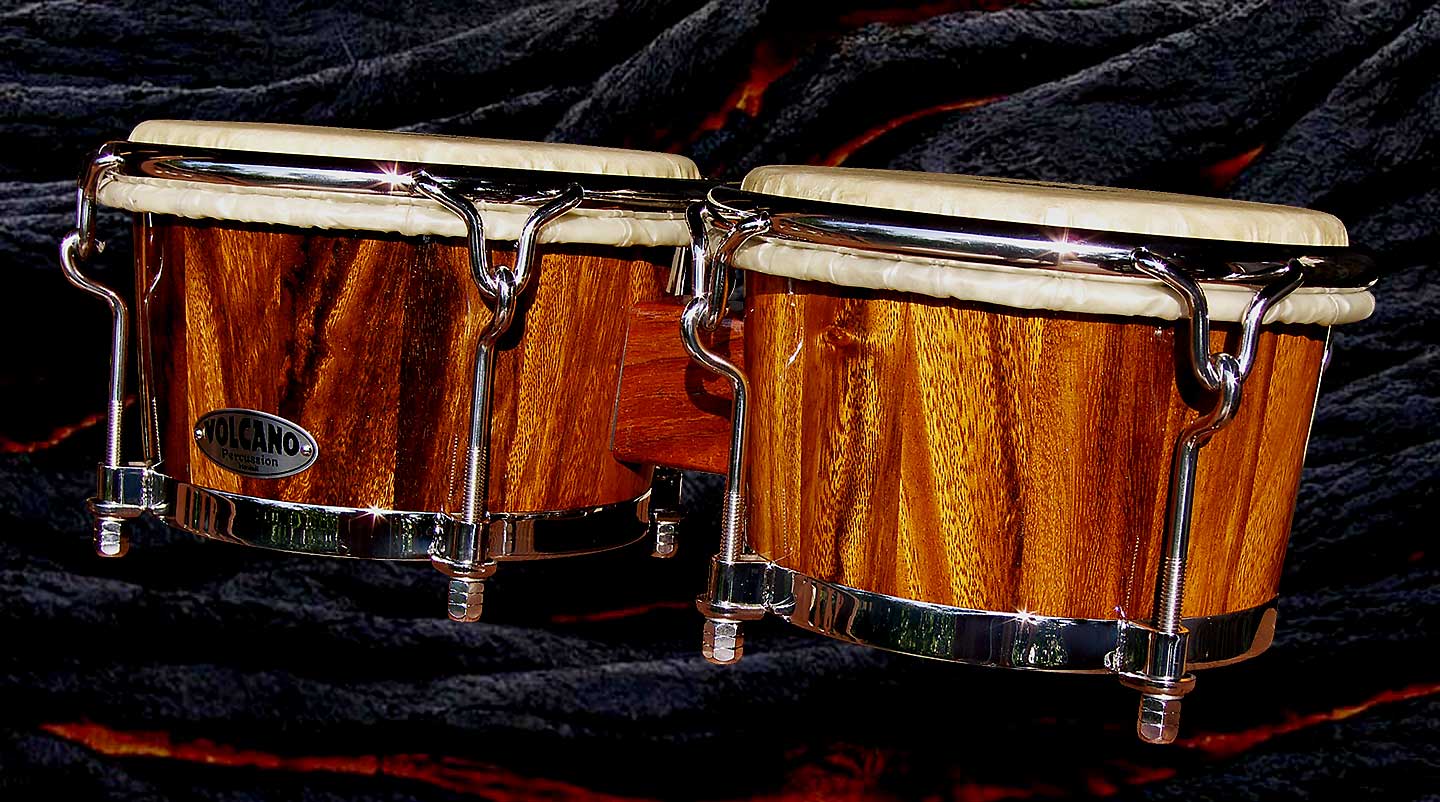
If you like dark woods and that remind you of the tropics, you're going to love our Monkeypod bongos. This is our newest and wildest addition to our family of bongos. Due to the popularity of Monkeypod congas, we were asked to make bongos to match. These drums come in Premium grade wood and are outfitted with our Master-crafted Stainless Steel hardware buffed to a mirror finish. Their available in 7"& 8.5"x 6" or 7"& 9" x 6" shell size and can be fitted for Texas Kip skins or Remo heads as shown above. There is no Monkeypod wood in the world to match Hawaii's for beauty and sound. "Every Drum is an Original".
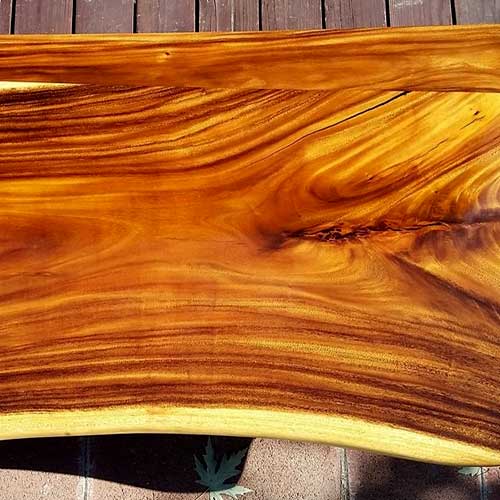
Another sample of Monkeypod Wood and it's Figure.

Volcano Monkeypod Bongos Feature:

  • Master-crafted Stainless Steel Hardware
  • Buffed to a Mirror Finish
  • Insides Finished
  • Texas Kip heads
  • Stainless Steel Skin Hoops
  • 5/16" Stainless Steel lugs
  • Stainless Steel Washers
  • Rubber Gaskets on Center Block
  • Stainless Steel Backing Plates
  • Staves dowelled together
  • Acrylic Polymer Finish
  • Stainless Steel Embossed Nameplates
  • Size: 7" & 8.5" x 6" or
  • Size: 7" & 9" x 6"
  • 5 Year Limited Guarantee
  • Made in Hawaii, USA
  • Optional Remo Heads

About Monkeypod Wood:

So named for the spiral-shaped fruit pods which the tree bears. Outside of Hawaii, one of the most common names for the species is Raintree, which is due to the leaves tendency to fold up at night or during periods of rainfall, allowing rain to pass through its broad canopy to the vegetation below. Trees are commonly planted in tropical regions as an ornamental shrub or shade tree.

Monkeypod is called by many different names in many different cultures, and its lumber is likewise used for a number of different purposes depending on the locale, ranging from utility wood and construction purposes to fine furniture.

Monkeypod usually trends a little bit cheaper in price than Koa, all other things being equal. Boards with figured grain patterns are much more expensive. Color tends to be a golden to dark brown, sometimes with darker streaks. Sapwood is usually thin and yellow/white, clearly demarcated from the heartwood. Monkeypod is sometimes seen with highly figured curly or wild grain patterns.



This photo shows some of the samples of Figured Monkeypod Wood. Some whole slabs can cost from hundreds to thousands of dollars. We strive to keep cost down and as resonable as possible when considering materials and labor. But quality is always number one.